When sales stagnate, many companies react reflexively with more marketing budgets. More ads. More reach. More visitors.
But traffic is rarely the real problem.
In most cases, the challenge is not the number of visitors, but the structure of the shop system, the information architecture and the user interface.
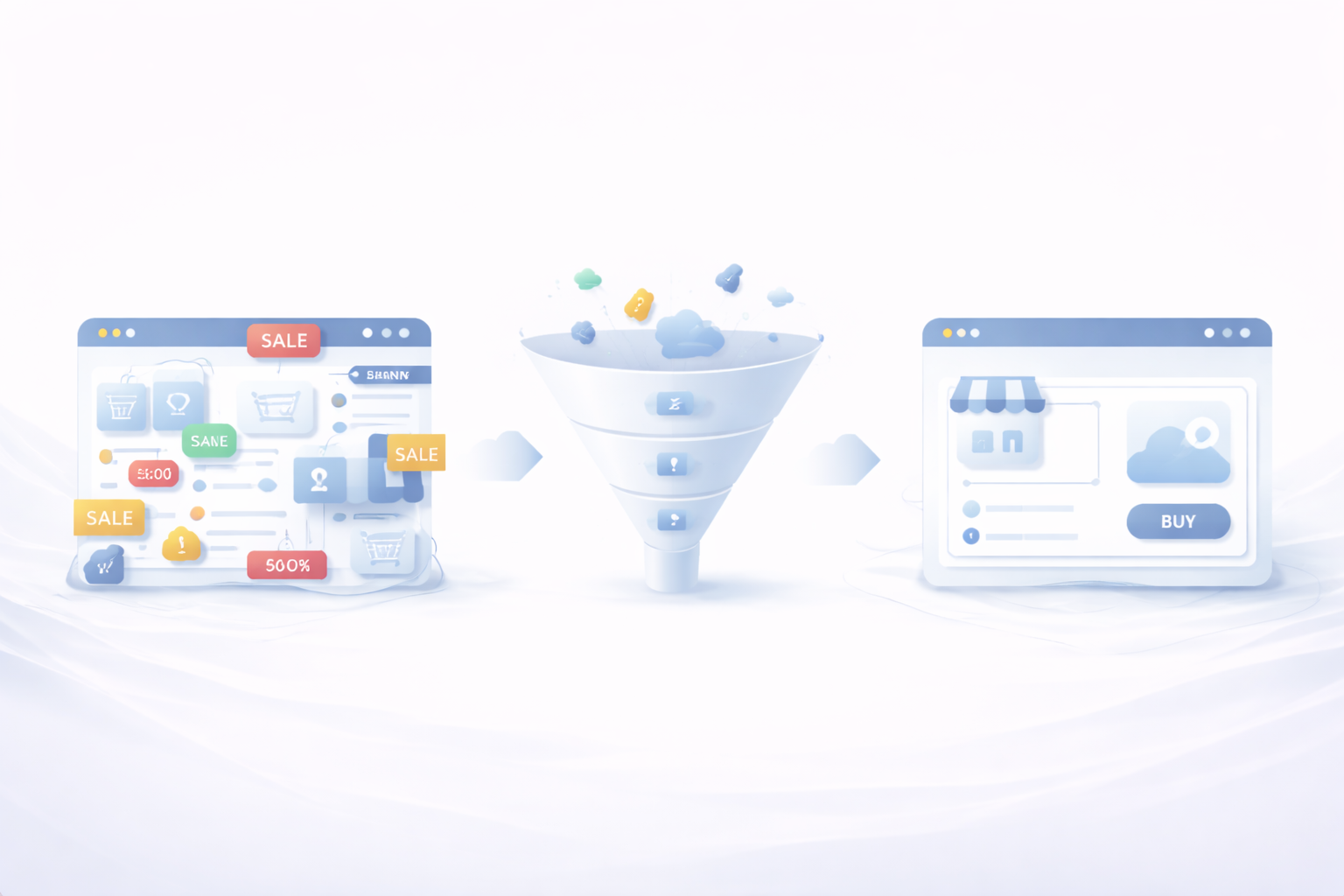
Conversion rate optimization in e-commerce doesn't mean making cosmetic changes. It means identifying — and systematically reducing — friction.

When it comes to conversion optimization, many shops rely on:
These measures can have a short-term effect.
In the long term, however, they rarely solve the structural problem.
Conversion doesn't come from pressure.
Conversion comes from clarity.
Many shops are already losing users on the category or product page. Not because the product is bad — but because:
A good conversion strategy starts with the question:
Does a new user understand what they should do here within 5 seconds?
In e-commerce, people don't buy products — they buy security.
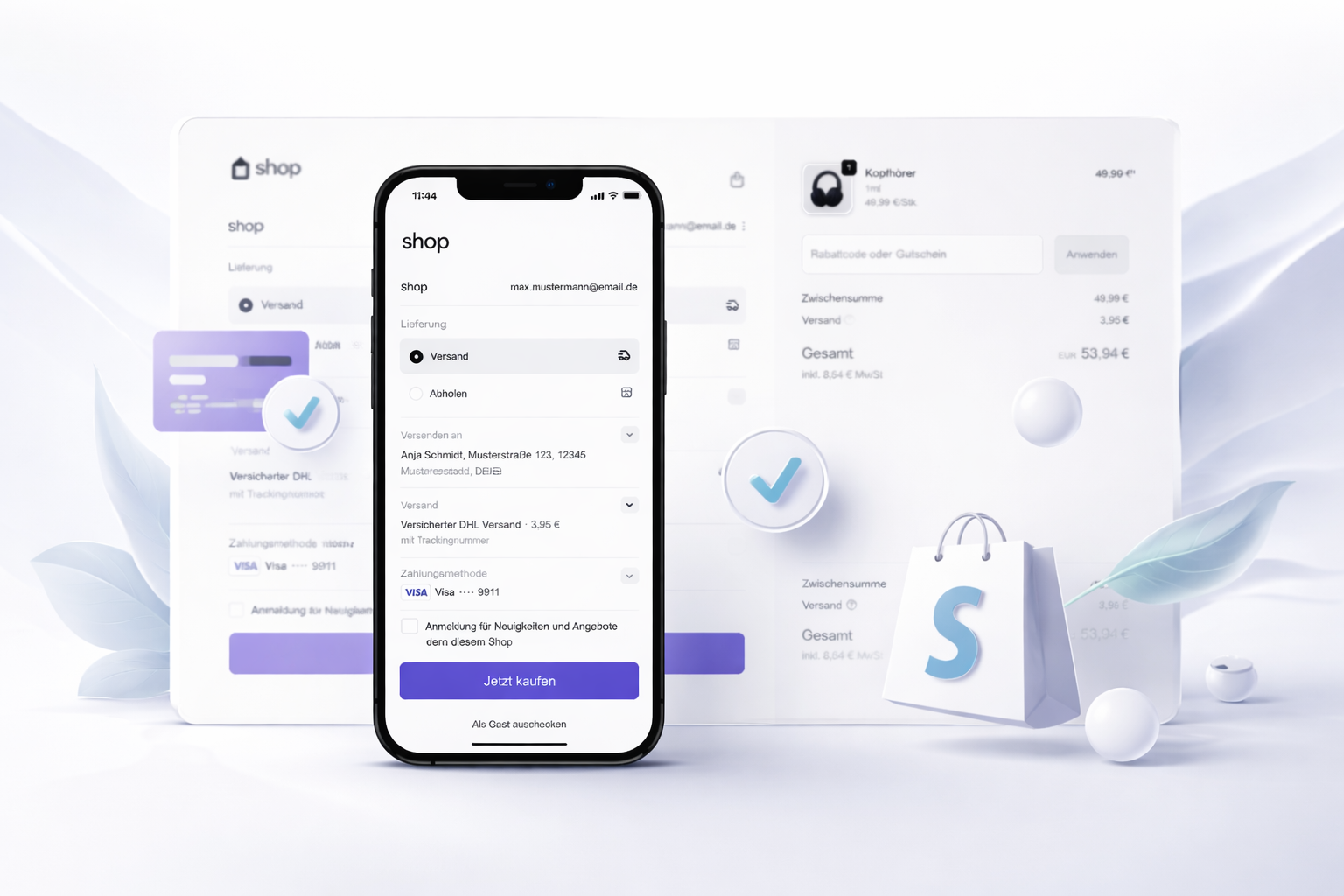
Unclear shipping information, hidden costs or an uneasy checkout can lead to cancellations even if there is strong buying interest.
Conversion optimization here means:
Too many variants, too many cross-sells, or too many payment methods can paradoxically result in fewer transactions.
The effect is well-known: decision overload.
Clean conversion optimization doesn't reduce content — it structures it.
Many companies regard conversion optimization as a campaign or test phase. In reality, it is a continuous process.
Real conversion optimization includes:
Conversion is not a hack.
It is a system.
Conversion rate optimization doesn't mean convincing users.
It means making it easier for them to decide.
Whoever optimizes structurally wins sustainably.
Whoever only optimizes visually will win in the short term.

Get in touch
contact now