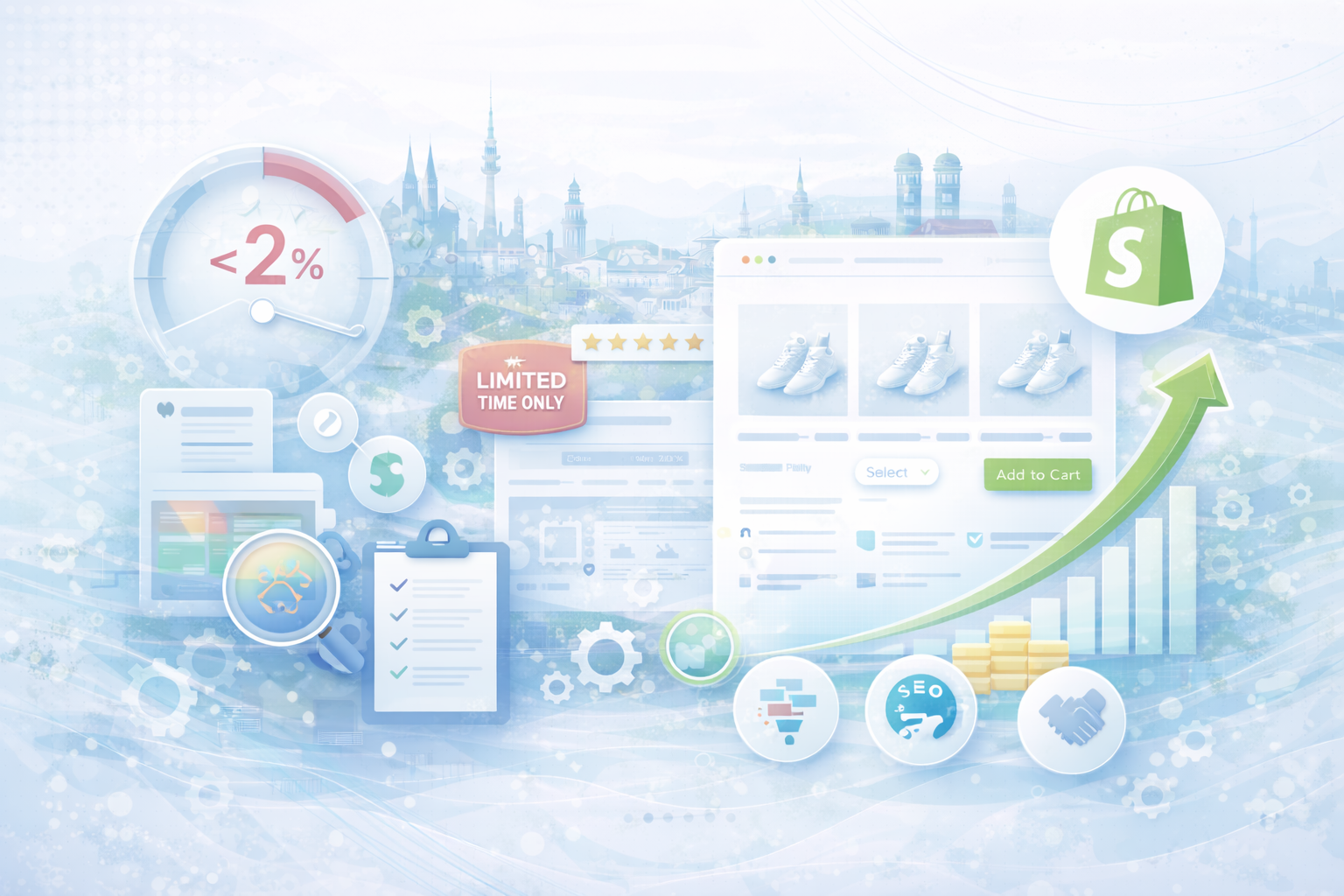
The reason is rarely due to Shopify itself, but almost always to missing or incorrect Conversion optimization. Even small changes in the right places can massively increase sales — shopping without a single visitor anymore.
In this article, we'll show you 12 proven adjustment screws, with which we regularly make Shopify stores measurably more successful.
Many Shopify stores are familiar with the situation:
Traffic is there, campaigns are running, visitors come to the shop — but sales are not growing in the same proportion.
In most cases, the cause is not Shopify itself. Shopify is a technically stable platform and offers all the prerequisites for successful e-commerce.
The real problem is almost always due to missing or incorrectly prioritized Conversion optimization.
Even small adjustments in the right places can have huge effects. Conversion rates can often be significantly increased without having to buy a single additional visitor.
In this article, we'll show you 12 proven adjustment screws, with which we regularly make Shopify stores measurably more successful.
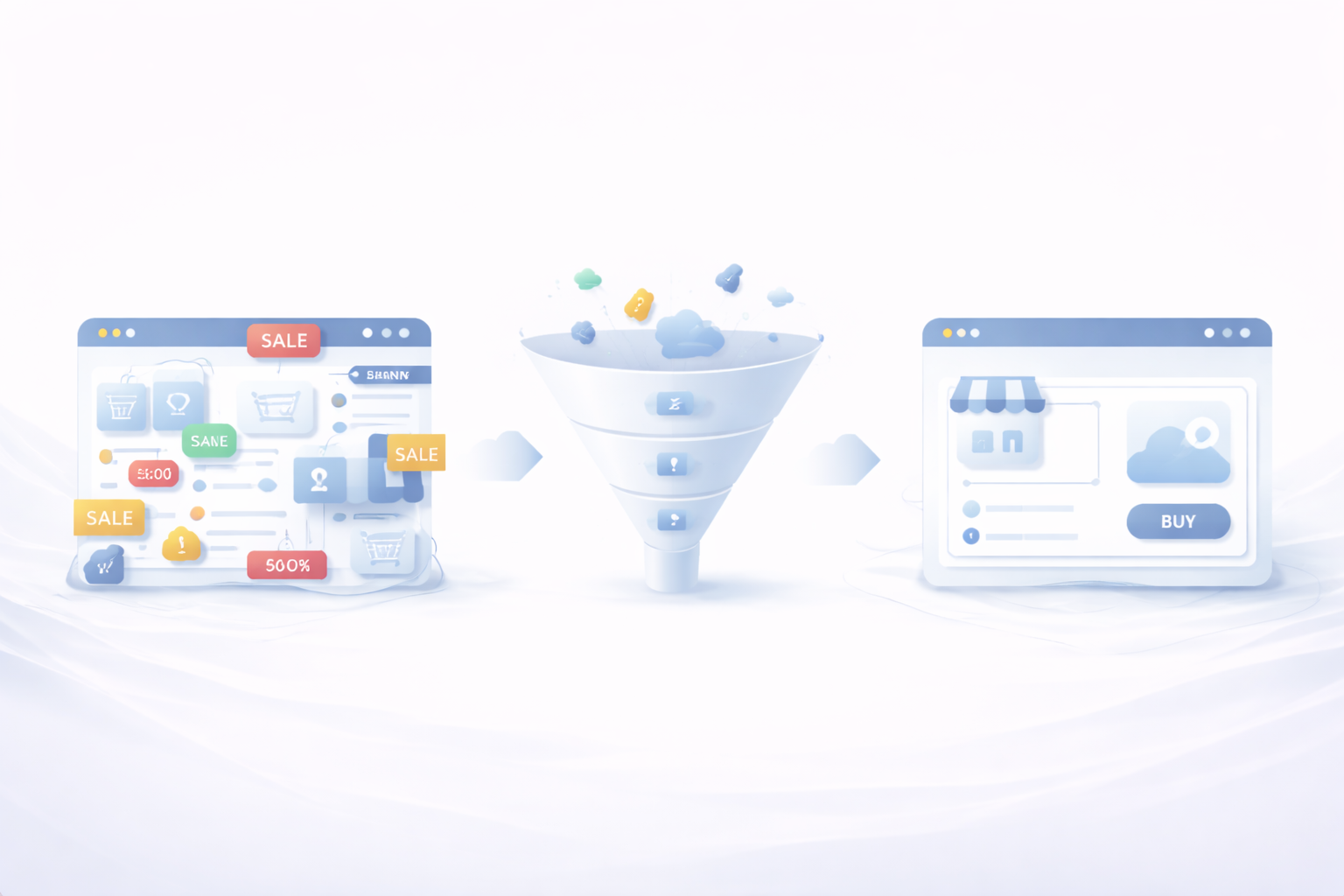
Conversion optimization (CRO — Conversion Rate Optimization) comprises all measures aimed at turning more visitors into customers.
It's not just about increasing the number of purchases. Good conversion optimization has an impact on several key factors:
The central goal is simple:
👉 More revenue from existing traffic.
CRO is often one of the most profitable growth drivers, especially for shops that already invest a lot of money in marketing.

A common mistake made by many product pages is too much distraction.
Too many links, banners, or additional information can cause visitors to lose focus. Instead of taking the next step, they leave the page or click through other areas of the shop.
A well-optimized product page therefore always has a clear main goal.
The clearer the user interface is, the higher the conversion rate is usually.
The first few seconds decide whether visitors stay in the shop or leave.
The area that users see without scrolling — the so-called Above-the-fold area — is therefore particularly decisive.
👉 Visitors must understand why they should buy here within a few seconds.
Many product descriptions are technically correct but emotionally ineffective.
They describe functions, materials or technical details — but forget the customer's actual question:
What problem does this product solve for me?
Conversion texts don't sell features — they sell solutions.
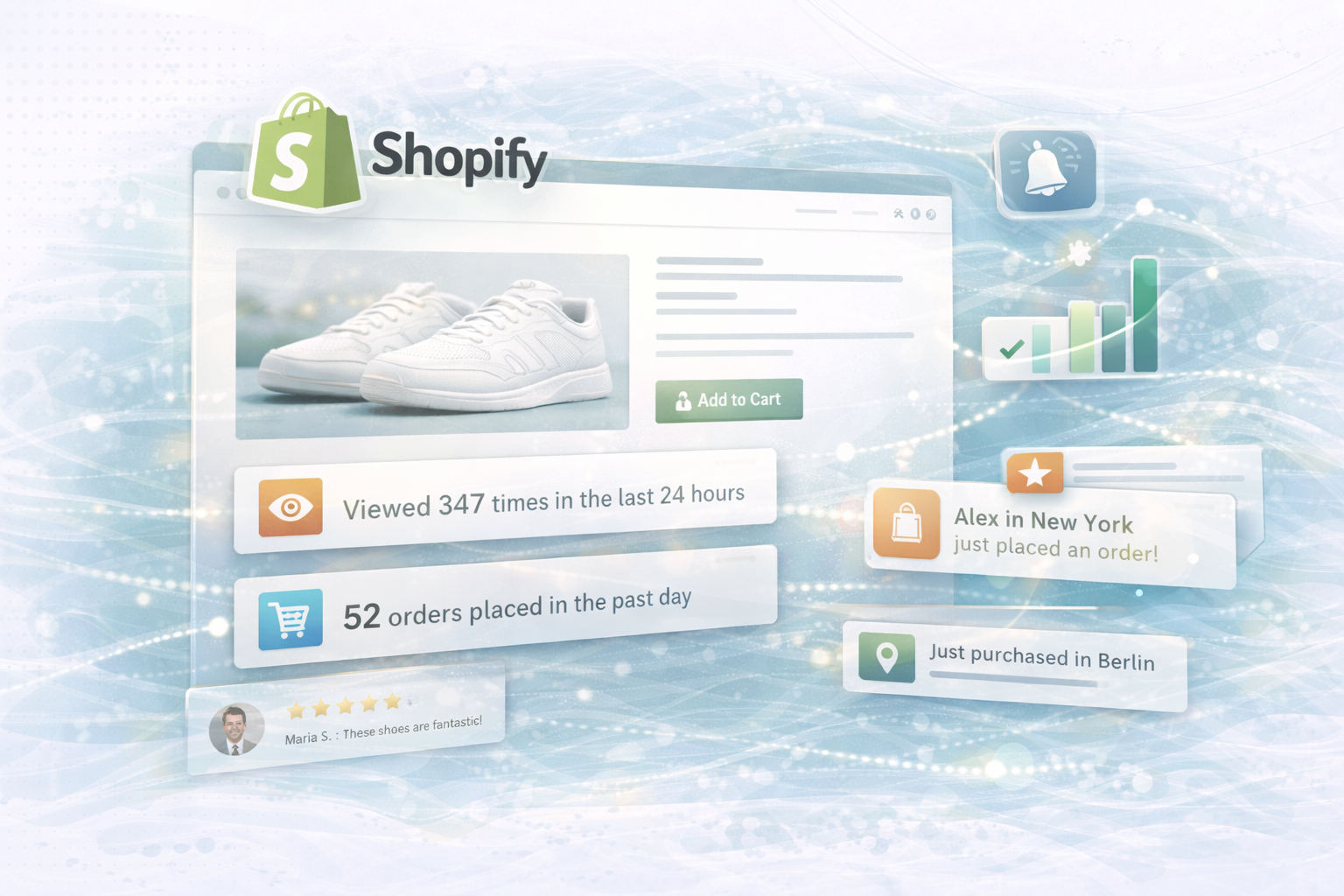
In e-commerce, trust is a decisive buying trigger.
Visitors only buy when they're sure they can trust the shop. This factor plays a major role, especially for new brands or unknown shops.
👉 These elements are particularly effective in close proximity to the purchase button.
Performance is one of the most underestimated factors in e-commerce.
Each additional second of loading time increases the likelihood that visitors will drop out.
The majority of Shopify traffic today comes from mobile devices. Nevertheless, many shops are still primarily optimized for desktops.
However, mobile users have completely different behavior: They scroll faster, have less patience and react more strongly to poor usability.
Mobile optimization is no longer an extra — it is the standard.
In online retail, images replace the physical product experience.
Bad product images can therefore immediately destroy trust. High-quality images, on the other hand, can strongly influence purchasing decisions.
Pictures shouldn't just show What a product looks like, but also How it is used.
Customer reviews are an important factor of trust. However, the only decisive factor is Whether reviews are available, but also Where they are placed.
This repetition builds trust throughout the buying process.
A complicated checkout is one of the most common causes of purchase cancellations.
Each additional hurdle increases the likelihood that users will cancel the purchase process.
The easier the checkout is, the higher the completion rate.
Visitors always ask themselves the same question:
Why should I buy here — and not somewhere else?
This answer is provided by so-called Unique Selling Propositions (USPs).
👉 Important: USPs should not be hidden. They must be clearly visible in the shop.
Many decisions in e-commerce are still made based on gut feeling.
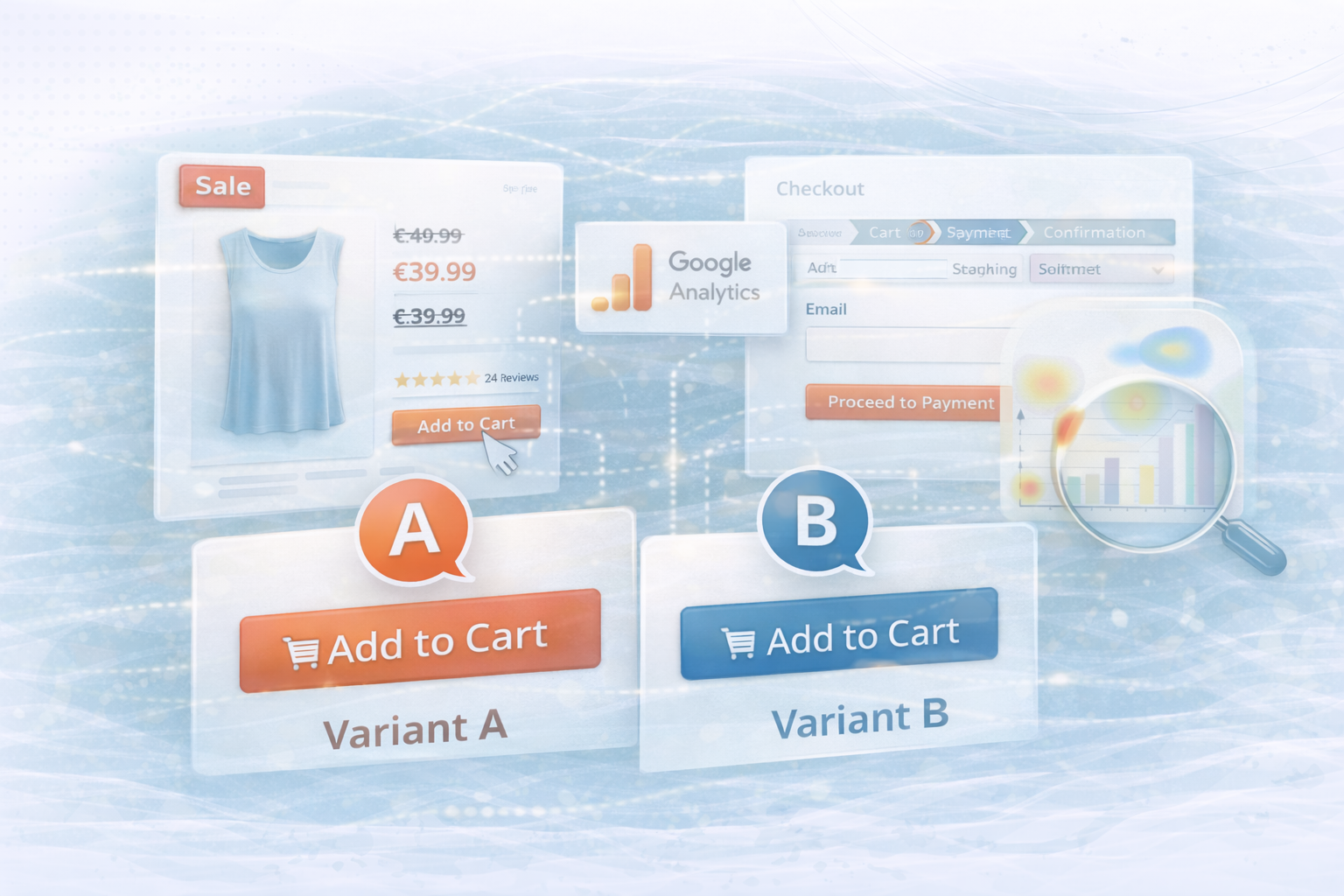
Many elements in the shop are very easy to test.
Even small changes can have a surprisingly big impact on the conversion rate.
Many Shopify stores are trying to solve problems with more and more new apps. However, this often results in an overloaded infrastructure.
👉 This is exactly where a standard shop separates from a professionally optimized store.
Conversion optimization is not a one-time process, but an ongoing part of successful Shopify stores.
If you convert existing visitors better, you can grow more sustainably — without having to buy more traffic all the time.
You don't want to guess, but Systematically sell more?
As Shopify agency from Munich We support you with:
👉 Discover our Shopify services now
👉 Let's scale your revenue together

Get in touch
contact now