Why Shopify is particularly suitable for fashion brands Fashion is not a normal e-commerce.
It is:
seasonally emotive trend-driven visually highly performance-dependent
And above all: extremely competitive.
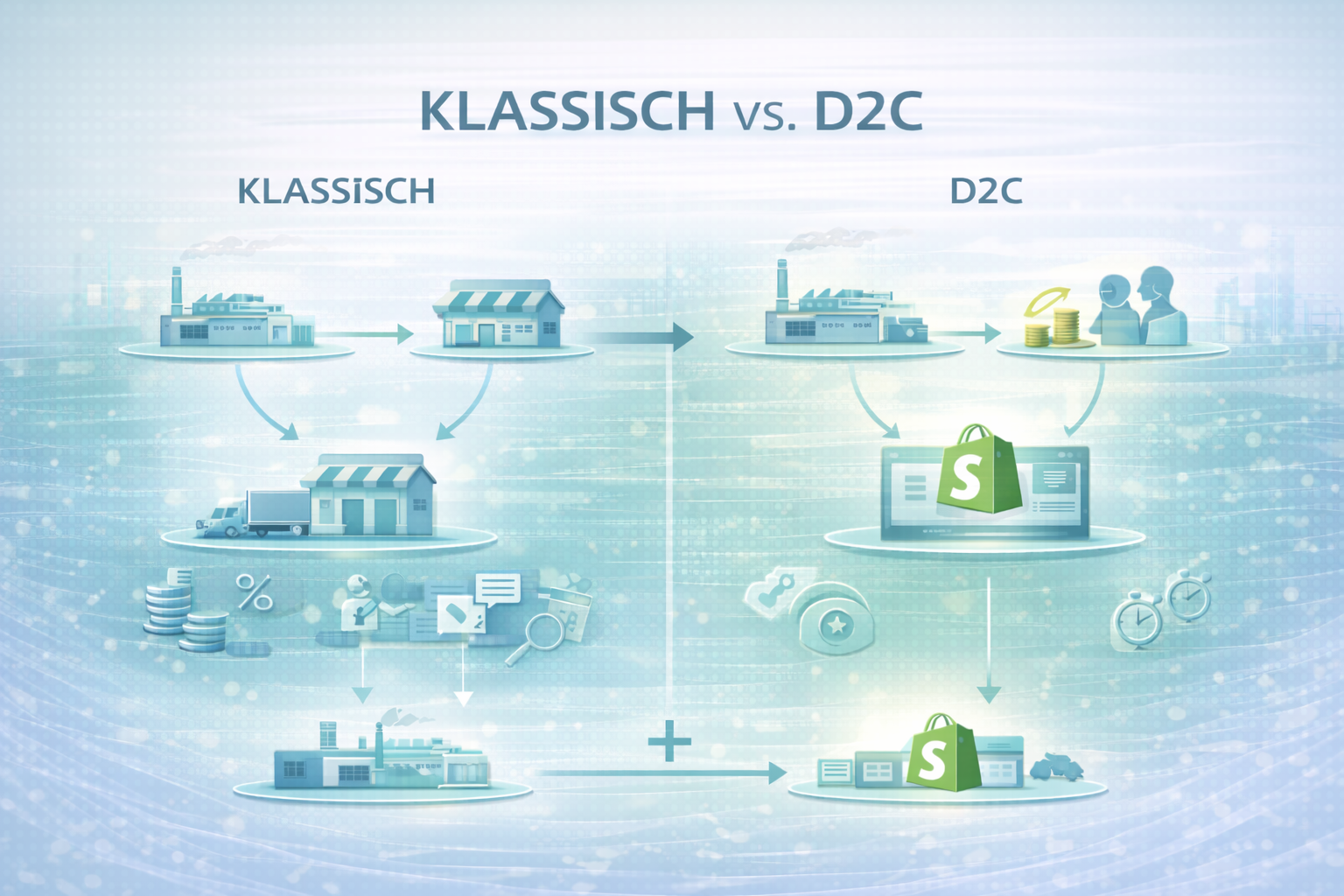
If you want to be successful as a fashion brand in the D2C model, you need more than a beautiful design.
He needs:
Speed, data control, drop mechanics, and a scalable system architecture.
Shopify offers a technological basis here that is particularly suitable for growing fashion brands.
Scaling in fashion D2C is a system — no accident Many fashion brands are growing quickly via social media.
Influencers push traffic.
But at some point, complexity emerges: Warehouse logic is becoming more difficult Variant structure explodes Returns are increasing Performance fluctuates Conversion stagnates
Here, architecture is decisive for stability.
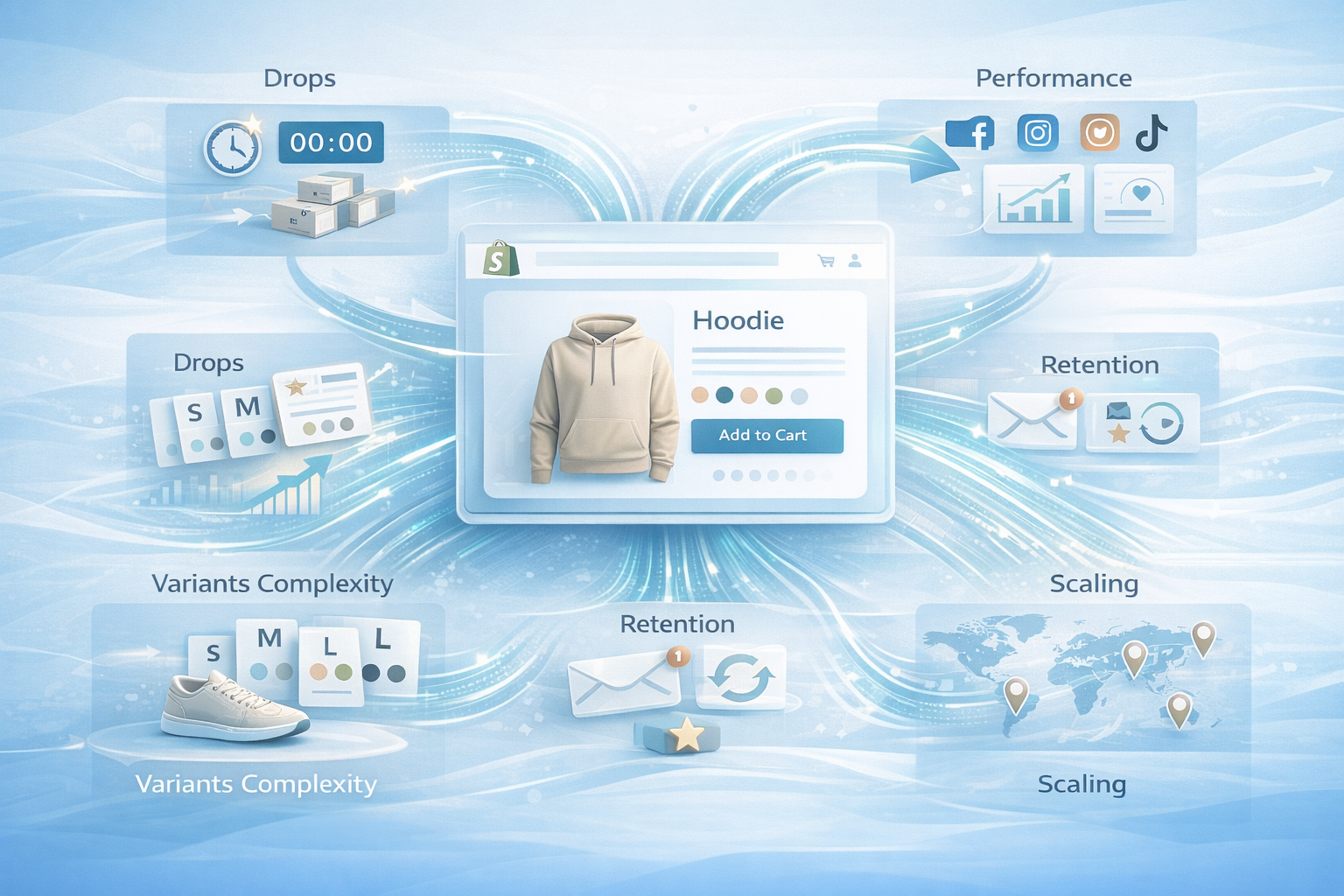
A scalable Shopify environment clearly divides: Product logic Variant management Performance optimization Drop strategy marketing integration Retention systems
Without structure, growth collapses.
Drops as a strategic growth element Drops are a key growth tool in the fashion sector.
Create limited collections: artificial scarcity emotional buying impulses Social Proof Community effect
But from a technical point of view, drops must be properly prepared: Stably intercept traffic spikes Countdown mechanics waiting lists Email pre-access limited quantity control Performance optimization
Shopify is designed to be stable for such peaks —
Performance marketing as a growth lever Fashion-D2C thrives on performance marketing.
But increasing CPMs and competitive pressure are increasing requirements.
Scaling doesn't just come from traffic — clean product pages strong visual hierarchies Trust elements optimized checkout fast loading times Retargeting logics data-based A/B testing
Even small improvements in conversion or average order value can have enormous effects.
Variant complexity in fashion commerce Sizes, colors, fits, collections.
Fashion shops have an enormous complexity of variants.
A poorly structured setup results in: SEO issues Duplicate content poor filter logic confusing navigation Performance losses
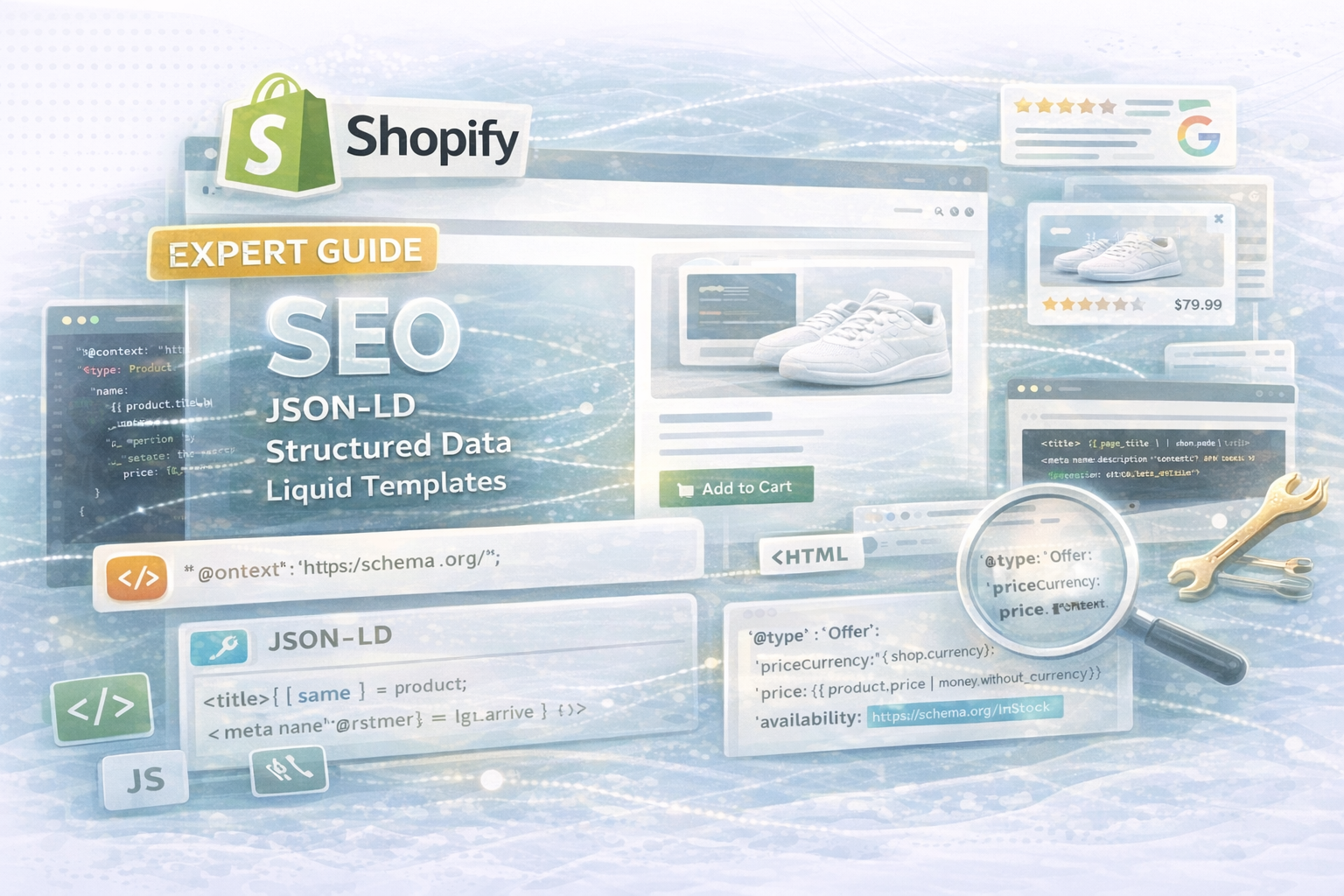
A clean Shopify architecture takes into account: clear categorization high-performance filters logical URL structure structured product data Displaying variants without loss of performance
Fashion needs clarity in chaos.
Retention is more important than acquiring new customers Many fashion brands focus on acquisition.
But real profitability comes from: Repurchases Community commitment email marketing SMS marketing Loyalty programs personalized recommendations
Shopify offers a solid integration base for retention systems here.
Scaling without retention is expensive.
Internationalization in fashion D2C Fashion is global.
But internationalization requires: currency logic language structure Customs and tax logic Local payment methods Performance latency optimization
Shopify Markets or multi-store strategies must be properly planned.
Without a clear structure, SEO and performance problems arise.
When Shopify Plus becomes relevant for fashion brands Shopify Plus gets particularly interesting when: severe traffic spikes occur international markets run in parallel B2B components are integrated Automation is becoming central Checkout adjustments are relevant
Plus is not a status symbol — it's a scaling tool.
🚀 Develop a Shopify strategy for fashion brands Do you run a fashion brand and want to scale without risking structural problems?
We analyze architecture, performance, variant logic, marketing funnel, and drop strategy — and develop a scalable Shopify D2C strategy.
👉 Check scaling now.